Marvin Santiago āļ”āļēāļ§āļ™āđŒāđ‚āļŦāļĨāļ”āđāļĨāļ°āļŸāļąāļ‡āđ€āļžāļĨāļ‡āļŪāļīāļ•āļˆāļēāļ Marvin Santiago

Marvin Santiago

by Evan C. GutierrezSalsa legend Marvin Santiago was born December 26, 1947, in San Juan, Puerto Rico. Marvin was born into a musically active family. His brother (Billivan Santiago) became a successful plena vocalist, and he was groomed from a young age to be a bolero singer. Preferring the rhythmically exciting salsa style, Marvin aspired to sing with the popular dance bands of the day, eventually landing a gig with one of Puerto Ricos most famous bandleaders, Rafael Cortijo. In 1971 Santiago joined up with another struggling vocalist, Bobby Valentín, to form a duo that would quickly become a national sensation. The duos debut, Rompecabezas, was followed by a record that would become a salsa classic, Soy Boricua. The albums title cut became an anthem of Puerto Rican pride in a decade that saw many boricuas moving to the United States, seeking alternatives to economic hardship. Valentín and Santiago rose in popularity, and were soon honored with an invitation to join the star-studded Fania All-Stars, alongside salsa royalty like Celia Cruz, RubÃĐn Blades, and Andy MontaÃąez, to name a few. In 1977, like many Fania All-Stars veterans, Santiago went solo. Through his solo repertoire he earned a reputation as a master improviser. His use of common Puerto Rican slang saw him dubbed El Sonero del Pueblo. His lyrics were a portrait of the gritty side of urban Latino life, including numerous references to sex and drug use. Santiagos upward trajectory was interrupted by a conviction for cocaine possession, landing him in a Puerto Rican prison for a five-year stint. During his years as a prisoner, Santiago embraced Christianity, and even recorded an album during his sentence, entitled Desde Adentro (From Inside). After his release, Santiago moved toward a romantic salsa repertoire alongside artists like MontaÃąez and Gilberto Santa Rosa, which kept him busy if not popular throughout the 80s and 90s. Marvin Santiago remained active (even working on a Celia Cruz tribute with former Fania labelmates) right up until his death in 2004. Marvin Santiago died October 6, 2004, due to complications of diabetes, a condition from which he had suffered since childhood.

āļ­āđˆāļēāļ™āļ•āđˆāļ­

āļ­āļąāļĨāļšāļąāļĄ āđ‚āļ”āļĒ Marvin Santiago

default playlist img
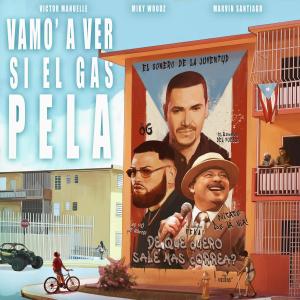
Vamo' a Ver Si el Gas PelaāļŸāļąāļ‡āđ€āļžāļĨāļ‡āļˆāļēāļāļ­āļąāļĨāļšāļąāļĄ Vamo' a Ver Si el Gas Pela āđ€āļžāļĨāļ‡āđƒāļŦāļĄāđˆāļˆāļēāļ āļ­āļąāļžāđ€āļ”āļ—āđ€āļžāļĨāļ‡āđƒāļŦāļĄāđˆāļĨāđˆāļēāļŠāļļāļ”āļāđˆāļ­āļ™āđƒāļ„āļĢ āļ•āļĨāļ­āļ”āļ›āļĩ 202131 āļĄāļĩ.āļ„. 2022
default playlist img
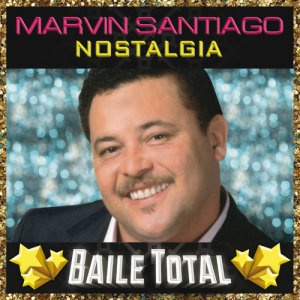
NostalgiaāļŸāļąāļ‡āđ€āļžāļĨāļ‡āļˆāļēāļāļ­āļąāļĨāļšāļąāļĄ Nostalgia āđ€āļžāļĨāļ‡āđƒāļŦāļĄāđˆāļˆāļēāļ āļ­āļąāļžāđ€āļ”āļ—āđ€āļžāļĨāļ‡āđƒāļŦāļĄāđˆāļĨāđˆāļēāļŠāļļāļ”āļāđˆāļ­āļ™āđƒāļ„āļĢ āļ•āļĨāļ­āļ”āļ›āļĩ 202124 āļž.āļĒ. 2017
default playlist img
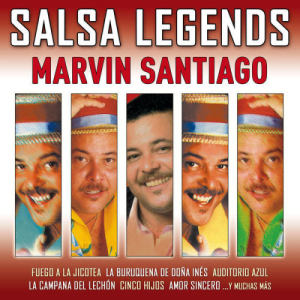
Salsa LegendsāļŸāļąāļ‡āđ€āļžāļĨāļ‡āļˆāļēāļāļ­āļąāļĨāļšāļąāļĄ Salsa Legends āđ€āļžāļĨāļ‡āđƒāļŦāļĄāđˆāļˆāļēāļ āļ­āļąāļžāđ€āļ”āļ—āđ€āļžāļĨāļ‡āđƒāļŦāļĄāđˆāļĨāđˆāļēāļŠāļļāļ”āļāđˆāļ­āļ™āđƒāļ„āļĢ āļ•āļĨāļ­āļ”āļ›āļĩ 202127 āļĄ.āļ„. 2015

āđ€āļāļĩāđˆāļĒāļ§āļāļąāļš Marvin Santiago :

by Evan C. GutierrezSalsa legend Marvin Santiago was born December 26, 1947, in San Juan, Puerto Rico. Marvin was born into a musically active family. His brother (Billivan Santiago) became a successful plena vocalist, and he was groomed from a young age to be a bolero singer. Preferring the rhythmically exciting salsa style, Marvin aspired to sing with the popular dance bands of the day, eventually landing a gig with one of Puerto Ricos most famous bandleaders, Rafael Cortijo. In 1971 Santiago joined up with another struggling vocalist, Bobby Valentín, to form a duo that would quickly become a national sensation. The duos debut, Rompecabezas, was followed by a record that would become a salsa classic, Soy Boricua. The albums title cut became an anthem of Puerto Rican pride in a decade that saw many boricuas moving to the United States, seeking alternatives to economic hardship. Valentín and Santiago rose in popularity, and were soon honored with an invitation to join the star-studded Fania All-Stars, alongside salsa royalty like Celia Cruz, RubÃĐn Blades, and Andy MontaÃąez, to name a few. In 1977, like many Fania All-Stars veterans, Santiago went solo. Through his solo repertoire he earned a reputation as a master improviser. His use of common Puerto Rican slang saw him dubbed El Sonero del Pueblo. His lyrics were a portrait of the gritty side of urban Latino life, including numerous references to sex and drug use. Santiagos upward trajectory was interrupted by a conviction for cocaine possession, landing him in a Puerto Rican prison for a five-year stint. During his years as a prisoner, Santiago embraced Christianity, and even recorded an album during his sentence, entitled Desde Adentro (From Inside). After his release, Santiago moved toward a romantic salsa repertoire alongside artists like MontaÃąez and Gilberto Santa Rosa, which kept him busy if not popular throughout the 80s and 90s. Marvin Santiago remained active (even working on a Celia Cruz tribute with former Fania labelmates) right up until his death in 2004. Marvin Santiago died October 6, 2004, due to complications of diabetes, a condition from which he had suffered since childhood.

āđ€āļžāļĨāļīāļ”āđ€āļžāļĨāļīāļ™āļāļąāļšāđ€āļŠāļĩāļĒāļ‡āđ€āļžāļĨāļ‡āļˆāļēāļ Marvin Santiago āļšāļ™ JOOX āđ„āļ”āđ‰āļ—āļļāļāđ€āļ§āļĨāļē! āđ€āļĄāļ·āđˆāļ­āđƒāļ”āļāđ‡āļ•āļēāļĄāļ—āļĩāđˆāđ€āļĢāļēāļžāļđāļ”āļ–āļķāļ‡āļĻāļīāļĨāļ›āļīāļ™āļ—āļĩāđˆāļĄāļĩāđ€āļžāļĨāļ‡āđāļĨāļ°āļ­āļąāļĨāļšāļąāđ‰āļĄāļ—āļĩāđˆāļ™āđˆāļēāļ—āļķāđˆāļ‡ āđ€āļĢāļēāđ„āļĄāđˆāļ„āļ§āļĢāļžāļĨāļēāļ”āļŠāļ·āđˆāļ­āđ€āļ”āļĩāļĒāļ§āļ„āļ·āļ­ Marvin Santiago Marvin Santiago āđ€āļ›āđ‡āļ™āļŦāļ™āļķāđˆāļ‡āđƒāļ™āļĻāļīāļĨāļ›āļīāļ™āļĒāļ­āļ”āļ™āļīāļĒāļĄāļ—āļĩāđˆāļĄāļĩāļœāļđāđ‰āļ•āļīāļ”āļ•āļēāļĄ 0 āļ„āļ™ āļŦāļēāļāļ„āļļāļ“āļāļģāļĨāļąāļ‡āļĄāļ­āļ‡āļŦāļēāđ€āļžāļĨāļ‡āļ‚āļ­āļ‡ Marvin Santiago āđ€āļĢāļēāļĄāļĩāļ—āļąāđ‰āļ‡āļŦāļĄāļ”āđƒāļŦāđ‰āļ„āļļāļ“āđāļĨāđ‰āļ§ āļ—āļĩāđˆ JOOX āđ€āļĢāļēāļ‚āļ­āļ™āļģāđ€āļŠāļ™āļ­āļāļēāļĢāļĢāļ§āļšāļĢāļ§āļĄāļĄāļīāļ§āļŠāļīāļ„āļ§āļīāļ”āļĩāđ‚āļ­āļˆāļēāļ Marvin Santiago āđāļĨāļ°āđ€āļžāļĨāļ‡āļžāļĢāđ‰āļ­āļĄāđ€āļ™āļ·āđ‰āļ­āđ€āļžāļĨāļ‡āļ—āļĩāđˆāļ„āļļāļ“āļˆāļ°āļ•āđ‰āļ­āļ‡āļŠāļ­āļšāđƒāļˆāļ­āļĒāđˆāļēāļ‡āđāļ™āđˆāļ™āļ­āļ™!