Peggy Seeger ดาวน์โหลดและฟังเพลงฮิตจาก Peggy Seeger

Peggy Seeger

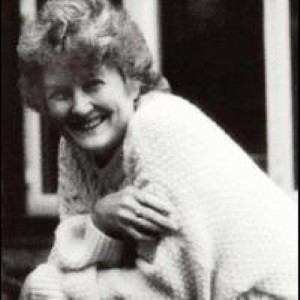
by Jason AnkenyThe half-sister of Pete Seeger and the widow of Ewan MacColl, singer/songwriter Peggy Seeger continued her family's long history of championing and preserving traditional music, most notably emerging as a seminal figure in the British folk song revival of the 1960s. Born June 17, 1935, in New York City, her mother, Ruth Crawford Seeger, was herself an influential composer and folklorist, as well as the first woman ever awarded the Guggenheim Fellowship Award for Music, while her father, Charles Louis Seeger, was a pioneering ethnomusicologist and the inventor of the melograph, an electronic musical notation instrument. Raised in the company of brothers Pete (widely hailed as the father of the American folk revival of the postwar era) and Mike (also a noted recording artist and the leader of the New Lost City Ramblers), Peggy began playing the piano at the age of seven, and within a few years began transcribing pieces of music. In the years to follow she also learned to play guitar, five-string banjo, autoharp, Appalachian dulcimer, and English concertina, later majoring in music at Radcliffe College in Cambridge, MA; there she first began performing professionally. In 1955, Seeger continued her studies in the Netherlands, later traveling throughout much of Europe and even into Africa; that same year, she issued the Folkways 10" Folksongs of Courting and Complaint. In 1959 she settled in London, where she became involved with MacColl, the famed British musician and playwright. In the decades that followed prior to MacColl's 1989 death, the couple toured the world singing, lecturing, and preaching the importance of the British folk song tradition, typically emphasizing the connections between roots music and sociopolitical activism. Over time, Seeger's own original songs adopted an ardently feminist slant; she and MacColl also headed the controversial London Critics Group, producing an annual political theater production titled The Festival of Fools. They also operated and regularly performed at the folk venue the Singers Club and formed their own record label, Blackthorne; most important, however, was their work with BBC producer Charles Parker in developing the radio ballad, a groundbreaking musical documentary form combining field recordings of speech and sound effects with new songs in the folk idiom and complementary instrumental accompaniment. From the mid-'50s onward, Seeger recorded regularly, cutting both original material and traditional compositions as a solo artist and in collaboration with MacColl as well as artists including Guy Carawan, Ralph Rinzler, and siblings Mike and Penny; among her key LPs are 1961's Two-Way Trip, 1973's At the Present Moment, 1977's Penelope Isn't Waiting Anymore, and the oft-released American Folk Songs for Children, an assembly of material originally collected by her mother. Seeger's best-known original compositions include "Gonna Be an Engineer," which emerged as an anthem of the women's movement, and "The Ballad of Springhill," penned about the Nova Scotia mining disaster. Seeger also wrote music for a number of films, television programs, and radio plays. After MacColl's death, she began working with the traditional Irish singer Irene Scott under the name No Spring Chickens, and together the duo formed a record label, Golden Egg. In late 1994, Seeger moved back to the United States, some four decades after first relocating to the U.K.; a year later, she completed work on the collections The Peggy Seeger Songbook, Warts and All and The Essential Ewan MacColl Songbook. Almost Commercially Viable followed in fall 2000. In 2003 Seeger released Heading for Home, the first of three volumes of recordings made with her two sons, Calum and Neill MacColl, in a cottage in rural England. The other two, Love Call Me Home and Bring Me Home, were released in 2005 and 2008, respectively. A live album in honor of Seeger's 70th birthday, Three Score and Ten, arrived in 2007.

อ่านต่อ


default playlist img
Teleologyฟังเพลงจากอัลบัม Teleology เพลงใหม่จาก อัพเดทเพลงใหม่ล่าสุดก่อนใคร ตลอดปี 2 พ.ค. 2025
default playlist img
Slowฟังเพลงจากอัลบัม Slow เพลงใหม่จาก อัพเดทเพลงใหม่ล่าสุดก่อนใคร ตลอดปี 11 เม.ย. 2025
default playlist img
The First Time I Ever Saw Your Face (2023 Version)ฟังเพลงจากอัลบัม The First Time I Ever Saw Your Face (2023 Version) เพลงใหม่จาก อัพเดทเพลงใหม่ล่าสุดก่อนใคร ตลอดปี 28 มี.ค. 2023
default playlist img
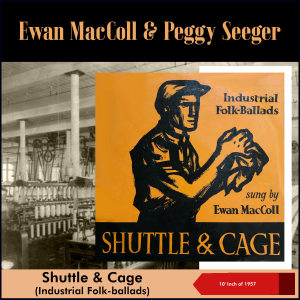
Shuttle And Cage (Industrial Folkballads) (10' Inch of 1957)ฟังเพลงจากอัลบัม Shuttle And Cage (Industrial Folkballads) (10' Inch of 1957) เพลงใหม่จาก อัพเดทเพลงใหม่ล่าสุดก่อนใคร ตลอดปี 15 ต.ค. 2022
default playlist img
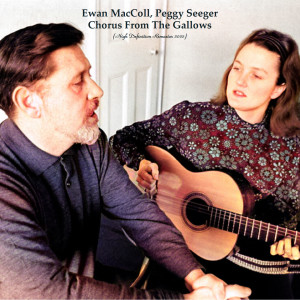
Chorus From The Gallows (High Definition Remaster 2022)ฟังเพลงจากอัลบัม Chorus From The Gallows (High Definition Remaster 2022) เพลงใหม่จาก อัพเดทเพลงใหม่ล่าสุดก่อนใคร ตลอดปี 17 ก.ย. 2022
default playlist img
First Farewellฟังเพลงจากอัลบัม First Farewell เพลงใหม่จาก อัพเดทเพลงใหม่ล่าสุดก่อนใคร ตลอดปี 9 เม.ย. 2021

เกี่ยวกับ Peggy Seeger :

by Jason AnkenyThe half-sister of Pete Seeger and the widow of Ewan MacColl, singer/songwriter Peggy Seeger continued her family's long history of championing and preserving traditional music, most notably emerging as a seminal figure in the British folk song revival of the 1960s. Born June 17, 1935, in New York City, her mother, Ruth Crawford Seeger, was herself an influential composer and folklorist, as well as the first woman ever awarded the Guggenheim Fellowship Award for Music, while her father, Charles Louis Seeger, was a pioneering ethnomusicologist and the inventor of the melograph, an electronic musical notation instrument. Raised in the company of brothers Pete (widely hailed as the father of the American folk revival of the postwar era) and Mike (also a noted recording artist and the leader of the New Lost City Ramblers), Peggy began playing the piano at the age of seven, and within a few years began transcribing pieces of music. In the years to follow she also learned to play guitar, five-string banjo, autoharp, Appalachian dulcimer, and English concertina, later majoring in music at Radcliffe College in Cambridge, MA; there she first began performing professionally. In 1955, Seeger continued her studies in the Netherlands, later traveling throughout much of Europe and even into Africa; that same year, she issued the Folkways 10" Folksongs of Courting and Complaint. In 1959 she settled in London, where she became involved with MacColl, the famed British musician and playwright. In the decades that followed prior to MacColl's 1989 death, the couple toured the world singing, lecturing, and preaching the importance of the British folk song tradition, typically emphasizing the connections between roots music and sociopolitical activism. Over time, Seeger's own original songs adopted an ardently feminist slant; she and MacColl also headed the controversial London Critics Group, producing an annual political theater production titled The Festival of Fools. They also operated and regularly performed at the folk venue the Singers Club and formed their own record label, Blackthorne; most important, however, was their work with BBC producer Charles Parker in developing the radio ballad, a groundbreaking musical documentary form combining field recordings of speech and sound effects with new songs in the folk idiom and complementary instrumental accompaniment. From the mid-'50s onward, Seeger recorded regularly, cutting both original material and traditional compositions as a solo artist and in collaboration with MacColl as well as artists including Guy Carawan, Ralph Rinzler, and siblings Mike and Penny; among her key LPs are 1961's Two-Way Trip, 1973's At the Present Moment, 1977's Penelope Isn't Waiting Anymore, and the oft-released American Folk Songs for Children, an assembly of material originally collected by her mother. Seeger's best-known original compositions include "Gonna Be an Engineer," which emerged as an anthem of the women's movement, and "The Ballad of Springhill," penned about the Nova Scotia mining disaster. Seeger also wrote music for a number of films, television programs, and radio plays. After MacColl's death, she began working with the traditional Irish singer Irene Scott under the name No Spring Chickens, and together the duo formed a record label, Golden Egg. In late 1994, Seeger moved back to the United States, some four decades after first relocating to the U.K.; a year later, she completed work on the collections The Peggy Seeger Songbook, Warts and All and The Essential Ewan MacColl Songbook. Almost Commercially Viable followed in fall 2000. In 2003 Seeger released Heading for Home, the first of three volumes of recordings made with her two sons, Calum and Neill MacColl, in a cottage in rural England. The other two, Love Call Me Home and Bring Me Home, were released in 2005 and 2008, respectively. A live album in honor of Seeger's 70th birthday, Three Score and Ten, arrived in 2007.

เพลิดเพลินกับเสียงเพลงจาก Peggy Seeger บน JOOX ได้ทุกเวลา! เมื่อใดก็ตามที่เราพูดถึงศิลปินที่มีเพลงและอัลบั้มที่น่าทึ่ง เราไม่ควรพลาดชื่อเดียวคือ Peggy Seeger Peggy Seeger เป็นหนึ่งในศิลปินยอดนิยมที่มีผู้ติดตาม 0 คน หากคุณกำลังมองหาเพลงของ Peggy Seeger เรามีทั้งหมดให้คุณแล้ว ที่ JOOX เราขอนำเสนอการรวบรวมมิวสิควิดีโอจาก Peggy Seeger และเพลงพร้อมเนื้อเพลงที่คุณจะต้องชอบใจอย่างแน่นอน!