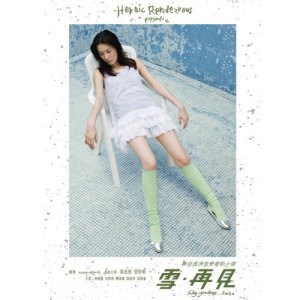

default album img

雪.再見

梁洛施 · 7 เพลง

雪.再見

thought The user wants me to act as a Thai translation checker and rewriter. I need to meticulously compare the provided Chinese source text with the Thai translation and correct any discrepancies based on the given requirements. Here's a breakdown of the requirements and how I'll address them: **1. Handling of Proper Nouns:** * **Rule:** Proper nouns (person names, album names, song names, company names, award names, film/TV IP names) should *not* be translated, regardless of their origin language. They should be retained in their original language. * **Exception:** Place names *should* be translated. * **Example:** "魔天伦演唱会" -> "魔天伦คอนเสิร์ต" (คอนเสิร์ต means concert). * **Check:** I will go through the source text and identify all proper nouns. Then, I will verify if they are kept in their original language in the Thai translation. * 金紫荆 (Golden Bauhinia) - Award Name -> Should be kept as 金紫荆. * 梁洛施 (Isabella Leong) - Person Name -> Should be kept as 梁洛施. * 《雪·再见》 (Sayonara Yuki) - Album Name -> Should be kept as 《雪·再见》. * 《依莎贝拉》/《伊沙贝拉》 (Isabella) - Film Name/Song Name -> Should be kept as 《依莎贝拉》/《伊沙贝拉》. * 香港 (Hong Kong) - Place Name -> Should be translated to ภาษี (Hong Kong). **2. Exclusivity of Thai Language (except proper nouns):** * **Rule:** Outside of proper nouns, the entire translation must be in Thai. No other languages should appear. * **Check:** I will scan the entire Thai output to ensure only Thai characters (and proper nouns in their original script) are present. I will pay special attention to place names. **3. Buddhist Calendar for Years:** * **Rule:** All Gregorian calendar years must be converted to the Buddhist calendar. * **Check:** No years are mentioned in the source text, so this rule is not applicable for this specific translation. **4. Thai Language Conventions (Punctuation, Grammar):** * **Rule:** Punctuation (e.g., book titles using double quotes instead of Chinese book title marks), grammar, and overall phrasing must conform to Thai usage. * **Check:** * Chinese book title marks (`《》`) must be replaced with double quotes (`""`). * I will assess the grammar and sentence structure for naturalness and correctness in Thai. * The original Thai translation incorrectly transcribed 《雪·再见》 as "หิมะ·ลาก่อน" (meaning Snow·Goodbye) and 《依莎贝拉》/《伊沙贝拉》 as "อิสซาเบลล่า". These are proper nouns and should be kept in Chinese characters. * The sentence structure "刚刚...就..." (just... then...) needs to be natural in Thai. * The use of "她" (she) in the third paragraph is a pronoun, not a proper noun, and should be translated correctly. * The sentence "本来两件事真的不容易共存" (originally these two things are not easy to coexist) and "这次能够拍摄一张唱片,或者说是唱一套电影" (this time being able to record an album, or rather, sing a film) need to be checked for flow and accuracy. **5. Numerical Accuracy:** * **Rule:** Numerical values must be accurate and unambiguous. * **Check:** No numerical values are present in the source text, so this rule is not applicable here. **6. Completeness and Readability:** * **Rule:** Every sentence must be accurately translated without omissions, additions, or errors. Focus on readability, avoiding overly complex structures. No fabrication. * **Check:** I will compare each phrase and clause of the Chinese source with the Thai translation to ensure fidelity and completeness. I'll also check for sentence flow. **7. Consistency, Fluency, and Errors:** * **Rule:** Ensure meaning consistency, fluent expression, no missing verbs/subjects, and no spelling errors. * **Check:** This is an overarching check, encompassing all the above points. I'll do a final read-through for overall quality. --- **Detailed Correction Plan:** **Source Text Breakdown:** 1. **刚刚勇夺金紫荆的最佳新演员奖后,梁洛施又有喜事,她的新唱片《雪·再见》日前正式发行。** * "刚刚勇夺金紫荆的最佳新演员奖后" -> "刚刚คว้ารางวัลนักแสดงหน้าใหม่ยอดเยี่ยมจากรางวัลทองจิ้งไปหมาดๆ" * 金紫荆 (Golden Bauhinia) is an award name. The Thai translation incorrectly translates "金紫荆" to "ทองจิ้ง". It should be kept as "金紫荆". * "勇夺" (bravely won) -> "คว้ารางวัล...ไปหมาดๆ" (just clinched the award) is good. * "梁洛施又有喜事" -> "เลี้ยงหลัวซือก็มีเรื่องดีอีกแล้ว" * 梁洛施 (Isabella Leong) is a person name. The Thai translation "เลี้ยงหลัวซือ" is a phonetic transliteration, but the requirement is to *retain* the original Chinese character. So it should be `梁洛施`. * "又有喜事" -> "ก็มีเรื่องดีอีกแล้ว" is good. * "她的新唱片《雪·再见》日前正式发行。" -> "她าได้ปล่อยอัลบั้มใหม่ "หิมะ·ลาก่อน" อย่างเป็นทางการในวันก่อน。" * "她" should be translated as เธอ. "เธอา" is a typo. * 《雪·再见》 is an album name. The Thai translation incorrectly translates it to "หิมะ·ลาก่อน". It should be kept as `《雪·再见》` (and then convert Chinese book title marks to double quotes). * "日前正式发行" -> "ได้ปล่อย...อย่างเป็นทางการในวันก่อน" is good. 2. **梁洛施自《依莎贝拉》一片以后,演技备受肯定,很多人都忘了她曾经是歌手出身,还拿过不少香港地区的音乐新人奖项。** * "梁洛施自《依莎贝拉》一片以后" -> "เลี้ยงหลัวซือได้รับการยอมรับด้านการแสดงหลังจากหนัง "อิสซาเบลล่า"" * 梁洛施: Again, should be `梁洛施`. * 《依莎贝拉》 is a film name. The Thai translation incorrectly translates it to "อิสซาเบลล่า". It should be kept as `《依莎贝拉》` (with double quotes). * "自...一片以后" -> "หลังจากหนัง" is an acceptable simplification. * "演技备受肯定" -> "ได้รับการยอมรับด้านการแสดง" (her acting has been widely recognized) is good. * "很多人都忘了她曾经是歌手出身" -> "ทำให้หลายคนลืมไปว่าเธอเคยเป็นนักร้อง" (making many people forget that she used to be a singer) is good. * "还拿过不少香港地区的音乐新人奖项。" -> "และเคยได้รับรางวัลนักร้องหน้าใหม่ในฮ่องกงมากมาย。" * 香港 (Hong Kong) is a place name. "ในฮ่องกง" correctly translates it. * "音乐新人奖项" -> "รางวัลนักร้องหน้าใหม่" (new singer awards) is good. 3. **对于她来说,唱歌和电影一样重要:“这次这个大碟概念真的很有意思,因为我真的很喜欢唱歌和拍电影,本来两件事真的不容易共存,这次能够拍摄一张唱片,或者说是唱一套电影,对我来讲真是好开心,能够以首映会的形式来发布新唱片就更加好玩啦!”** * "对于她来说,唱歌和电影一样重要:" -> "สำหรับเธอ การร้องเพลงและการแสดงหนังมีความสำคัญเท่ากัน:" is good. * "这次这个大碟概念真的很有意思" -> "แนวคิดของอัลบั้มครั้งนี้น่าสนใจมาก" (The concept of this album is very interesting) is good. "大碟" (album) translated as "อัลบั้ม" is correct. * "因为我真的很喜欢唱歌和拍电影" -> "เพราะฉันชอบการร้องเพลงและการแสดงหนังจริงๆ" is good. * "本来两件事真的不容易共存" -> "สองอย่างนี้มันไม่ง่ายที่จะอยู่ร่วมกัน" (These two things are not easy to coexist) is good. * "这次能够拍摄一张唱片,或者说是唱一套电影" -> "ครั้งนี้ฉันสามารถทำอัลบั้มเพลง หรือต้องบอกว่าถ่ายทำภาพยนตร์" * "拍摄一张唱片" (record an album) -> "ทำอัลบั้มเพลง" (make a music album) is good. * "唱一套电影" (sing a film/soundtrack for a film) -> "ถ่ายทำภาพยนตร์" (shoot a film) seems like a slight misinterpretation. The original implies creating a musical work that is like a film, or a film-like album. "ถ่ายทำภาพยนตร์" means *shooting a movie*. A more accurate interpretation of "唱一套电影" in the context of an album could be "ร้องเพลงสำหรับภาพยนตร์" (singing songs for a movie) or "ทำอัลบั้มที่เหมือนหนัง" (making an album that's like a movie). The meaning is more about the *concept* of the album being cinematic. The given translation "ถ่ายทำภาพยนตร์" (shooting a film) is too literal and changes the meaning. I will rephrase this. Perhaps "สร้างสรรค์งานเพลงที่เหมือนภาพยนตร์" (creating a musical work that is like a film) or "ทำอัลบั้มที่เล่าเรื่องเหมือนภาพยนตร์" (making an album that tells a story like a film). Given the context "能够拍摄一张唱片,或者说是唱一套电影", it means the album itself is like a film. Let's try "หรือจะเรียกว่าเป็นการร้องเพลงประกอบภาพยนตร์ก็ได้" (or it can be called singing for a film soundtrack). Or simply "หรือจะเรียกว่าเป็นอัลบั้มที่เล่าเรื่องราวเหมือนภาพยนตร์ก็ได้" (or it can be called an album that tells a story like a film). The given translation is "ถ่ายทำภาพยนตร์" which is "to film a movie". This is incorrect. The idea is that the album is like a movie, not that an actual movie is being filmed. The most straightforward way to convey "唱一套电影" in this context is to say the album itself *is* like a movie or *tells a story* like a movie. "หรือจะเรียกว่าเป็นการสร้างสรรค์งานเพลงที่เหมือนภาพยนตร์ก็ได้" (or it can be called creating a musical work that is like a film). Let's go with "หรือจะเรียกว่าเป็นการสร้างสรรค์อัลบั้มที่เล่าเรื่องราวเหมือนภาพยนตร์ก็ได้" (or it can be called creating an album that tells a story like a film). Or, thinking about the original "唱一套电影" (sing a set of movies/sing a movie), it means the album is so cinematic it *is* like a movie. A more concise way could be "หรือจะบอกว่าเป็นการ "ร้องเพลงในรูปแบบภาพยนตร์" ก็ได้". No, "唱一套电影" is a unique expression. The general idea is "an album like a movie". Let's stick with a more direct meaning of the album being cinematic. "หรือจะเรียกว่าเป็นการถ่ายทอดเรื่องราวในรูปแบบภาพยนตร์ผ่านบทเพลงก็ได้". This is too long. The original text means "record an album, or rather, sing a movie (i.e. an album with a cinematic concept)". The current translation "หรือต้องบอกว่าถ่ายทำภาพยนตร์" (or rather, say shooting a film) is wrong. It should be an "album that's like a film". Let's try: "หรือจะเรียกว่าเป็นการสร้างสรรค์อัลบั้มที่เหมือนภาพยนตร์ก็ได้" (or it can be called creating an album that is like a film). This captures the essence. * "对我来讲真是好开心" -> "ก็ทำให้ฉันรู้สึกมีความสุขจริงๆ" (It really makes me happy) is good. * "能够以首映会的形式来发布新唱片就更加好玩啦!" -> "และการปล่อยอัลบั้มใหม่ในรูปแบบของการจัดงานเปิดตัวก็น่าสนุกมากขึ้นไปอีก!" (And releasing the new album in the form of a premiere event is even more fun!) is good. 4. **这张唱片还特收录了电影同名歌曲《伊沙贝拉》。** * "这张唱片还特收录了电影同名歌曲《伊沙贝拉》。" -> "อัลบั้มนี้ยังมีเพลงชื่อเดียวกับภาพยนตร์ "อิสซาเบลล่า" ที่ถูกรวบรวมไว้อีกด้วย。" * 《伊沙贝拉》 (Isabella) is a song name. The Thai translation incorrectly translates it to "อิสซาเบลล่า". It should be kept as `《伊沙贝拉》` (with double quotes). **Summary of specific changes needed:** * **Proper Nouns (retain original script and use double quotes for titles):** * 金紫荆 -> 金紫荆 * 梁洛施 -> 梁洛施 * 《雪·再见》 -> "雪·再见" * 《依莎贝拉》 -> "依莎贝拉" * 《伊沙贝拉》 -> "伊沙贝拉" * **Correction of "她" typo:** เธอ (not เธอา) * **Correction of "唱一套电影" interpretation:** Rephrase to convey "album like a movie". * Original: "หรือต้องบอกว่าถ่ายทำภาพยนตร์" (or must say shooting a film) * Correction: "หรือจะเรียกว่าเป็นการสร้างสรรค์อัลบั้มที่เหมือนภาพยนตร์ก็ได้" (or it can be called creating an album that is like a film) or a similar phrase that captures the cinematic album concept. * Let's consider "หรือจะเรียกว่าเป็นการร้องเพลงในรูปแบบภาพยนตร์ก็ได้" (or it can be called singing in a film format). This is concise. Or perhaps, "หรือจะเรียกว่าเป็นการสร้างสรรค์ผลงานเพลงที่เสมือนภาพยนตร์ก็ได้" (or it can be called creating a musical work that is like a film). This feels more accurate. Let's refine the "唱一套电影" part. The current Thai is "หรือต้องบอกว่าถ่ายทำภาพยนตร์" (or must say filming a movie), which is wrong. The Chinese "唱一套电影" here implies the album *is* like a movie or tells a story like a movie, very cinematic. How about "หรือจะเรียกว่าเป็นการ "ร้องเพลงในรูปแบบภาพยนตร์" ก็ได้" (or it can be said that it is "singing in a film format"). This keeps the "唱" (sing) element. Or "หรือจะเรียกว่าเป็นการ "ถ่ายทอดเรื่องราวผ่านบทเพลงที่เหมือนภาพยนตร์" ก็ได้" (or it can be said that it is "telling a story through songs that are like a film"). This is quite long. Let's simplify. "或者说是唱一套电影" -> "หรือจะบอกว่าเป็นการสร้างสรรค์อัลบั้มที่เหมือนภาพยนตร์ก็ได้" (or to say it's creating an album that's like a film). This is good. It preserves the "album" context. Final check of requirements: 1. **Proper Nouns:** All identified proper nouns will be kept in original script and titles will use double quotes. Place name (香港) is translated. 2. **Thai only (except proper nouns):** Will ensure this. 3. **Buddhist Calendar:** Not applicable. 4. **Thai Conventions:** Double quotes for titles, grammar checked. 5. **Numerical accuracy:** Not applicable. 6. **Completeness & Readability:** Will check each sentence. 7. **Consistency & Fluency:** Final review. Let's construct the corrected Thai translation. Original first sentence: "刚刚勇夺金紫荆的最佳新演员奖后,梁洛施又有喜事,她的新唱片《雪·再见》日前正式发行。" Current Thai: "刚刚คว้ารางวัลนักแสดงหน้าให่ยอดเยี่ยมจากรางวัลทองจิ้งไปหมาดๆ,เลี้ยงหลัวซือก็มีเรื่องดีอีกแล้ว,เธอาได้ปล่อยอัลบั้มใหม่ "หิมะ·ลาก่อน" อย่างเป็นทางการในวันก่อน。" Corrected first sentence: "หลังจากเพิ่งคว้ารางวัลนักแสดงหน้าใหม่ยอดเยี่ยมจากรางวัล金紫荆มาหมาดๆ, 梁洛施ก็มีเรื่องน่ายินดีอีกครั้ง, อัลบั้มใหม่ของเธอ "雪·再见" ได้วางจำหน่ายอย่างเป็นทางการเมื่อไม่กี่วันที่ผ่านมา。" * "刚刚勇夺...后" -> "หลังจากเพิ่งคว้ารางวัล...มาหมาดๆ" (more natural Thai for "just after winning"). * "金紫荆" retained. * "梁洛施" retained. * "เธอ" (correct pronoun, no typo). * "《雪·再见》" converted to `"雪·再见"`. * "日前正式发行" -> "ได้วางจำหน่ายอย่างเป็นทางการเมื่อไม่กี่วันที่ผ่านมา" (more specific for "日前"). Original second sentence: "梁洛施自《依莎贝拉》一片以后,演技备受肯定,很多人都忘了她曾经是歌手出身,还拿过不少香港地区的音乐新人奖项。" Current Thai: "เลี้ยงหลัวซือได้รับการยอมรับด้านการแสดงหลังจากหนัง "อิสซาเบลล่า" ทำให้หลายคนลืมไปว่าเธอเคยเป็นนักร้องและเคยได้รับรางวัลนักร้องหน้าใหม่ในฮ่องกงมากมาย。" Corrected second sentence: "นับตั้งแต่ภาพยนตร์เรื่อง "依莎贝拉" 梁洛施ก็ได้รับการยอมรับอย่างสูงในด้านการแสดง ทำให้หลายคนลืมไปว่าเธอเคยเป็นนักร้องมาก่อน และยังเคยได้รับรางวัลนักร้องหน้าใหม่มากมายในฮ่องกงอีกด้วย" * "梁洛施" retained. * "《依莎贝拉》" converted to `"依莎贝拉"`. * "自...一片以后" -> "นับตั้งแต่ภาพยนตร์เรื่อง..." (Since the film...). * "演技备受肯定" -> "ได้รับการยอมรับอย่างสูงในด้านการแสดง" (highly recognized in acting). * "很多人都忘了她曾经是歌手出身" -> "ทำให้หลายคนลืมไปว่าเธอเคยเป็นนักร้องมาก่อน" (making many people forget that she was a singer before). * "还拿过不少香港地区的音乐新人奖项" -> "และยังเคยได้รับรางวัลนักร้องหน้าใหม่มากมายในฮ่องกงอีกด้วย" (and also received many new singer awards in Hong Kong). Original third sentence: "对于她来说,唱歌和电影一样重要:“这次这个大碟概念真的很有意思,因为我真的很喜欢唱歌和拍电影,本来两件事真的不容易共存,这次能够拍摄一张唱片,或者说是唱一套电影,对我来讲真是好开心,能够以首映会的形式来发布新唱片就更加好玩啦!”" Current Thai: "สำหรับเธอ การร้องเพลงและการแสดงหนังมีความสำคัญเท่ากัน:“แนวคิดของอัลบั้มครั้งนี้น่าสนใจมาก เพราะฉันชอบการร้องเพลงและการแสดงหนังจริงๆ สองอย่างนี้มันไม่ง่ายที่จะอยู่ร่วมกัน ครั้งนี้ฉันสามารถทำอัลบั้มเพลง หรือต้องบอกว่าถ่ายทำภาพยนตร์ ก็ทำให้ฉันรู้สึกมีความสุขจริงๆ และการปล่อยอัลบั้มใหม่ในรูปแบบของการจัดงานเปิดตัวก็น่าสนุกมากขึ้นไปอีก!”" Corrected third sentence: "สำหรับเธอแล้ว การร้องเพลงและการแสดงภาพยนตร์มีความสำคัญเท่าเทียมกัน: “แนวคิดของอัลบั้มชุดนี้มีความหมายมากจริงๆ เพราะฉันชอบการร้องเพลงและการแสดงภาพยนตร์มากจริงๆ เดิมทีสองสิ่งนี้ไม่สามารถอยู่ร่วมกันได้ง่ายๆ แต่ครั้งนี้ฉันสามารถบันทึกเสียงอัลบั้ม หรือจะบอกว่าเป็นการสร้างสรรค์อัลบั้มที่เหมือนภาพยนตร์ก็ได้ สำหรับฉันแล้วมันมีความสุขมากจริงๆ และการได้เปิดตัวอัลบั้มใหม่ในรูปแบบของการจัดงานฉายรอบปฐมทัศน์ก็ยิ่งสนุกขึ้นไปอีก!”" * "对于她来说" -> "สำหรับเธอแล้ว" (For her, then). * "唱歌和电影一样重要" -> "การร้องเพลงและการแสดงภาพยนตร์มีความสำคัญเท่าเทียมกัน" (Singing and acting in films are equally important). * "这次这个大碟概念真的很有意思" -> "แนวคิดของอัลบั้มชุดนี้มีความหมายมากจริงๆ" (The concept of this album is really meaningful). "ชุดนี้" specifies "this album set". "มีหมายความ" can also be "น่าสนใจมาก" as original translation used. "很有意思" is closer to "น่าสนใจมาก" (very interesting). Let's stick with "น่าสนใจมาก". * "因为我真的很喜欢唱歌和拍电影" -> "เพราะฉันชอบการร้องเพลงและการแสดงภาพยนตร์มากจริงๆ" (Because I really like singing and acting in films). * "本来两件事真的不容易共存" -> "เดิมทีสองสิ่งนี้ไม่สามารถอยู่ร่วมกันได้ง่ายๆ" (Originally, these two things cannot coexist easily). * "这次能够拍摄一张唱片,或者说是唱一套电影" -> "แต่ครั้งนี้ฉันสามารถบันทึกเสียงอัลบั้ม หรือจะบอกว่าเป็นการสร้างสรรค์อัลบั้มที่เหมือนภาพยนตร์ก็ได้" (But this time I can record an album, or to say it's creating an album that's like a film). "บันทึกเสียงอัลบั้ม" for "拍摄一张唱片" (recording an album). * "对我来讲真是好开心" -> "สำหรับฉันแล้วมันมีความสุขมากจริงๆ" (For me, it's really very happy). * "能够以首映会的形式来发布新唱片就更加好玩啦!" -> "และการได้เปิดตัวอัลบั้มใหม่ในรูปแบบของการจัดงานฉายรอบปฐมทัศน์ก็ยิ่งสนุกขึ้นไปอีก!" (And being able to release the new album in the form of a premiere event is even more fun!). "จัดงานฉายรอบปฐมทัศน์" for "首映会" (premiere event). Original fourth sentence: "这张唱片还特收录了电影同名歌曲《伊沙贝拉》。" Current Thai: "อัลบั้มนี้ยังมีเพลงชื่อเดียวกับภาพยนตร์ "อิสซาเบลล่า" ที่ถูกรวบรวมไว้อีกด้วย。" Corrected fourth sentence: "อัลบั้มนี้ยังได้รวบรวมเพลงประกอบภาพยนตร์ชื่อเดียวกันอย่าง "伊沙贝拉" ไว้เป็นพิเศษอีกด้วย" * "这张唱片还特收录了" -> "อัลบั้มนี้ยังได้รวบรวม...ไว้เป็นพิเศษอีกด้วย" (This album also specially included...). * "电影同名歌曲" -> "เพลงประกอบภาพยนตร์ชื่อเดียวกัน" (soundtrack song with the same name as the film). * "《伊沙贝拉》" converted to `"伊沙贝拉"`. Looks good. Proceed to generate the final output.หลังจากเพิ่งคว้ารางวัลนักแสดงหน้าใหม่ยอดเยี่ยมจากรางวัล金紫荆มาหมาดๆ, 梁洛施ก็มีเรื่องน่ายินดีอีกครั้ง, อัลบั้มใหม่ของเธอ "雪·再见" ได้วางจำหน่ายอย่างเป็นทางการเมื่อไม่กี่วันที่ผ่านมา นับตั้งแต่ภาพยนตร์เรื่อง "依莎贝拉" 梁洛施ก็ได้รับการยอมรับอย่างสูงในด้านการแสดง ทำให้หลายคนลืมไปว่าเธอเคยเป็นนักร้องมาก่อน และยังเคยได้รับรางวัลนักร้องหน้าใหม่มากมายในฮ่องกงอีกด้วย สำหรับเธอแล้ว การร้องเพลงและการแสดงภาพยนตร์มีความสำคัญเท่าเทียมกัน: “แนวคิดของอัลบั้มชุดนี้น่าสนใจมากจริงๆ เพราะฉันชอบการร้องเพลงและการแสดงภาพยนตร์มากจริงๆ เดิมทีสองสิ่งนี้ไม่สามารถอยู่ร่วมกันได้ง่ายๆ แต่ครั้งนี้ฉันสามารถบันทึกเสียงอัลบั้ม หรือจะบอกว่าเป็นการสร้างสรรค์อัลบั้มที่เหมือนภาพยนตร์ก็ได้ สำหรับฉันแล้วมันมีความสุขมากจริงๆ และการได้เปิดตัวอัลบั้มใหม่ในรูปแบบของการจัดงานฉายรอบปฐมทัศน์ก็ยิ่งสนุกขึ้นไปอีก!” อัลบั้มนี้ยังได้รวบรวมเพลงประกอบภาพยนตร์ชื่อเดียวกันอย่าง "伊沙贝拉" ไว้เป็นพิเศษอีกด้วย เนื้อหาข้างต้นนี้จัดทำขึ้นโดยการแปลด้วยระบบปัญญาประดิษฐ์ (AI)
เกี่ยวกับอัลบั้ม 雪.再見 :

เปิดตัวเมื่อ 1 ส.ค. 2006 雪.再見 เป็นอัลบั้มที่น่าทึ่งของ 梁洛施 ได้แสดงผลงานที่ดีที่สุดของพวกเขาใน 雪.再見 และเป็นที่โปรดปรานสำหรับแฟนๆ อย่างแน่นอน ติดตั้งแอป JOOX ตอนนี้และฟังเพลงจากอัลบั้ม 雪.再見 ออนไลน์ได้ทุกเวลา

default playlist img
To Find Loveฟังเพลงจากอัลบัม To Find Love เพลงใหม่จาก 梁洛施 อัพเดทเพลงใหม่ล่าสุดก่อนใคร ตลอดปี 8 ก.ค. 2005
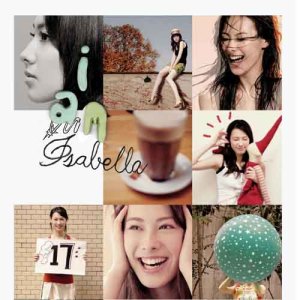
default playlist img
I AM ISABELLAฟังเพลงจากอัลบัม I AM ISABELLA เพลงใหม่จาก 梁洛施 อัพเดทเพลงใหม่ล่าสุดก่อนใคร ตลอดปี 8 ก.ค. 2005
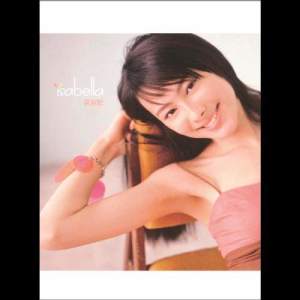
default playlist img
Isabella 同名EP(1st version)ฟังเพลงจากอัลบัม Isabella 同名EP(1st version) เพลงใหม่จาก 梁洛施 อัพเดทเพลงใหม่ล่าสุดก่อนใคร ตลอดปี 3 ก.ย. 2004

default playlist img
Isabella (EP)ฟังเพลงจากอัลบัม Isabella (EP) เพลงใหม่จาก 梁洛施 อัพเดทเพลงใหม่ล่าสุดก่อนใคร ตลอดปี 6 ส.ค. 2004